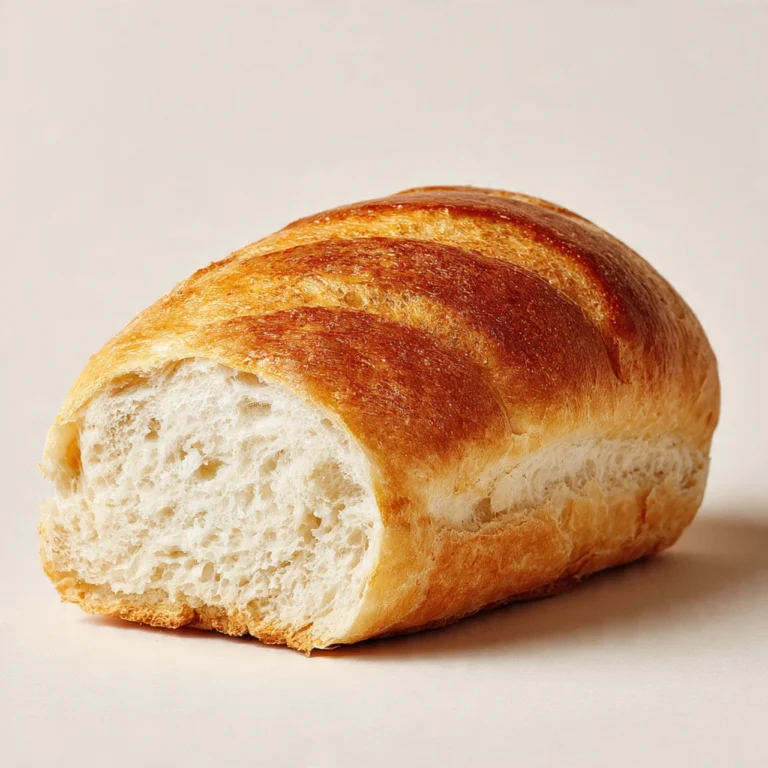
Whole Wheat Bread Recipe
Have you ever wanted fresh bread at home without turning your kitchen into a project zone? This whole wheat bread recipe is the kind people come back to because it fits real life. It’s warm, filling, and steady enough for everyday meals, from rushed mornings to slow dinners. I like how it smells cozy while baking and slices clean once cooled. With simple steps and familiar ingredients, it works even on busy evenings or chilly nights when comfort matters. You get a loaf that feels homemade in the best way, not fussy or fragile, just honest bread you’ll want to make again.
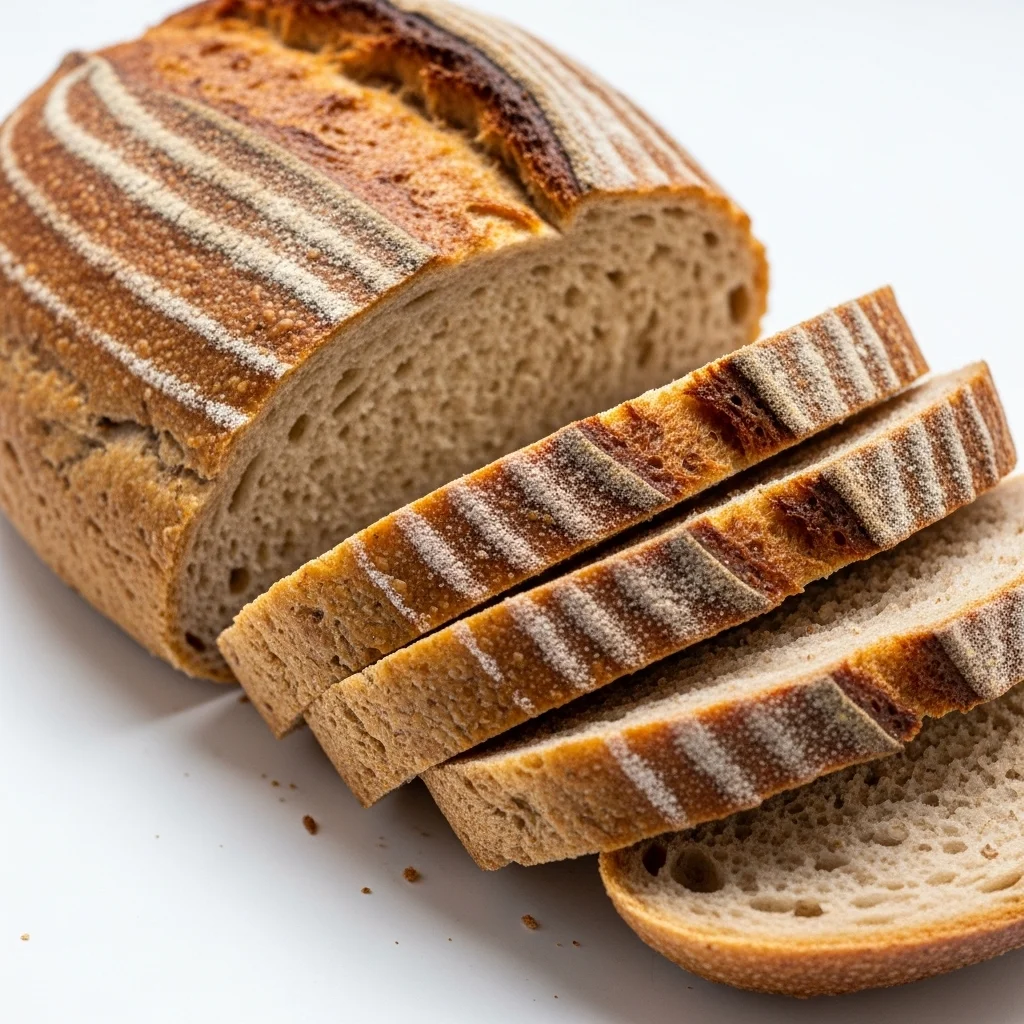
Why You Will Love This Recipe
Do you ever wish homemade bread could feel relaxing instead of overwhelming? This loaf brings deep, nutty flavor without complicated moves. The crumb is soft but sturdy, great for sandwiches, toast, or tearing by hand. It’s weeknight-friendly, budget-aware, and forgiving if your day gets loud. I love that it freezes well, so leftovers never feel wasted. The dough is flexible, meaning small timing shifts won’t ruin it. This whole wheat bread recipe also adapts easily when you’re cooking for two or feeding a table full of people. It’s cozy, practical, and the kind of bake that earns a spot on your Pinterest board for later.
Ingredients

Instructions
Step 1: Preparation
In a large bowl, stir warm water, yeast, and honey. Let it sit until lightly foamy and fragrant. Add olive oil and salt, then mix in flour slowly. The dough should look shaggy and feel slightly sticky but manageable.
Step 2: Main Cooking Process
Turn the dough onto a floured surface and knead until smooth and elastic. It should spring back when pressed. Place in an oiled bowl, cover, and let rise until doubled. For smaller batches, this step rises faster.
Step 3: Combining Ingredients
Punch down gently and shape into a loaf. Place into a greased pan, tucking edges neatly. Cover again and let rise until the dough crowns the pan. Larger batches may need extra space and a few more minutes.
Step 4: Finishing & Final Simmer
Bake until the top is deep golden and the loaf sounds hollow when tapped. Cool before slicing so the crumb sets properly. Smaller loaves bake quicker, while doubled batches may need a short extra bake.
Why This Recipe Works for Busy Days
Do you often save recipes but worry you’ll never have time to make them? This bread fits into normal routines. The hands-on time is short, the rest happens while you do other things, and the loaf lasts several days. It’s easy to bake ahead, slice later, and enjoy without stress.
Tips & Tricks
Variations
Meaty Version
Do you want bread that pairs with hearty meals? Add finely chopped cooked bacon or sausage into the dough before shaping. Keep amounts small so the loaf still rises well. For two people, add just a spoonful; for larger groups, spread evenly across loaves.
Vegetarian Option
Are you looking for extra texture without meat? Mix in chopped olives or sun-dried tomatoes. They add moisture and flavor. Smaller batches need less mix-in to avoid heaviness, while bigger batches can handle a bit more without trouble.
Ingredient Swap
Are you out of honey at the last minute? Use maple syrup or brown sugar instead. Keep sweetness mild so it doesn’t overpower. For larger batches, taste the dough lightly to keep balance consistent.
Flavor or Herb Boost
Do you like bread with personality? Add dried rosemary, thyme, or cracked pepper. Use a light hand for small loaves and slightly more for multiple loaves so flavor stays noticeable but not sharp.
Serving Suggestions
Storage Instructions
Recipe Timing
Nutrition Information
Are you curious about what’s in each slice? Per serving, calories range from 160–190, with protein around 6–8 grams. Whole grains contribute fiber and iron. Values are estimates and change based on ingredients, slice size, and portion adjustments.
FAQs
Conclusion
Do you enjoy recipes that feel reliable without being dull? This whole wheat bread recipe brings warmth and ease into everyday cooking. It invites small tweaks, works for different household sizes, and doesn’t demand perfection. Once you’ve baked it once, it becomes familiar, like a kitchen habit you trust. Use it fresh, toast it later, or freeze for future meals. Let it fit your rhythm, not the other way around. There’s something grounding about pulling a loaf from the oven and knowing it’ll be shared, saved, and made again.

Whole Wheat Bread Recipe
Course: Chicken Recipes4
servings15
minutes30
minutes170
kcalA simple, cozy loaf made with everyday ingredients. Soft inside, sturdy outside, and perfect for family meals or quiet mornings.
Ingredients
3 cups whole wheat flour
2¼ teaspoons active dry yeast
1¼ cups warm water
2 tablespoons olive oil
2 tablespoons honey
1½ teaspoons salt
Directions
- Mix warm water, yeast, and honey in a bowl. Let it foam lightly.
- Add oil, salt, and flour. Stir until a soft dough forms.
- Knead until smooth, then let rise covered until doubled.
- Shape into a loaf, rise again, and bake until golden. Cool before slicing.